Film
Film · France · 1991
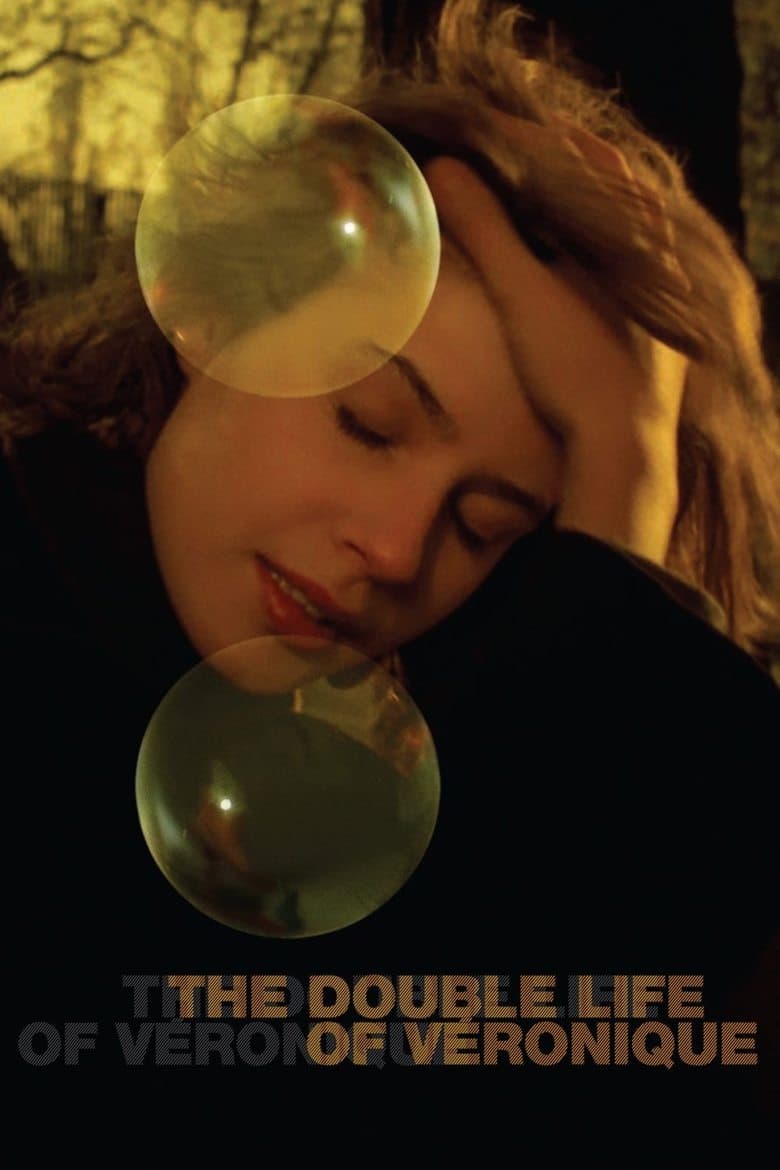
The Double Life of Veronique
Krzysztof Kieślowski·98 min
Kieślowski's most luminous, least explicable film follows two women — a Polish singer and a French teacher, both played by Irène Jacob — who share a face, a gift, and an inexplicable sense of each other across a distance neither can name. It is less a story than a mood made visible: golden light, Preisner's aching score, a sustained intuition that we are somehow doubled, accompanied, not alone. It explains almost nothing and means a great deal. It is a film to feel your way through rather than follow, and it lingers like a piece of music you cannot place.
Free for now
Sign in to keep reading.
Karamazovian is open for free while we test. Create an account and everything opens — the full writing, search, lists, and your own tree.
Create a free account →Already have an account? Sign in →