Film
Film · France · 1959
The 400 Blows
François Truffaut·99 min
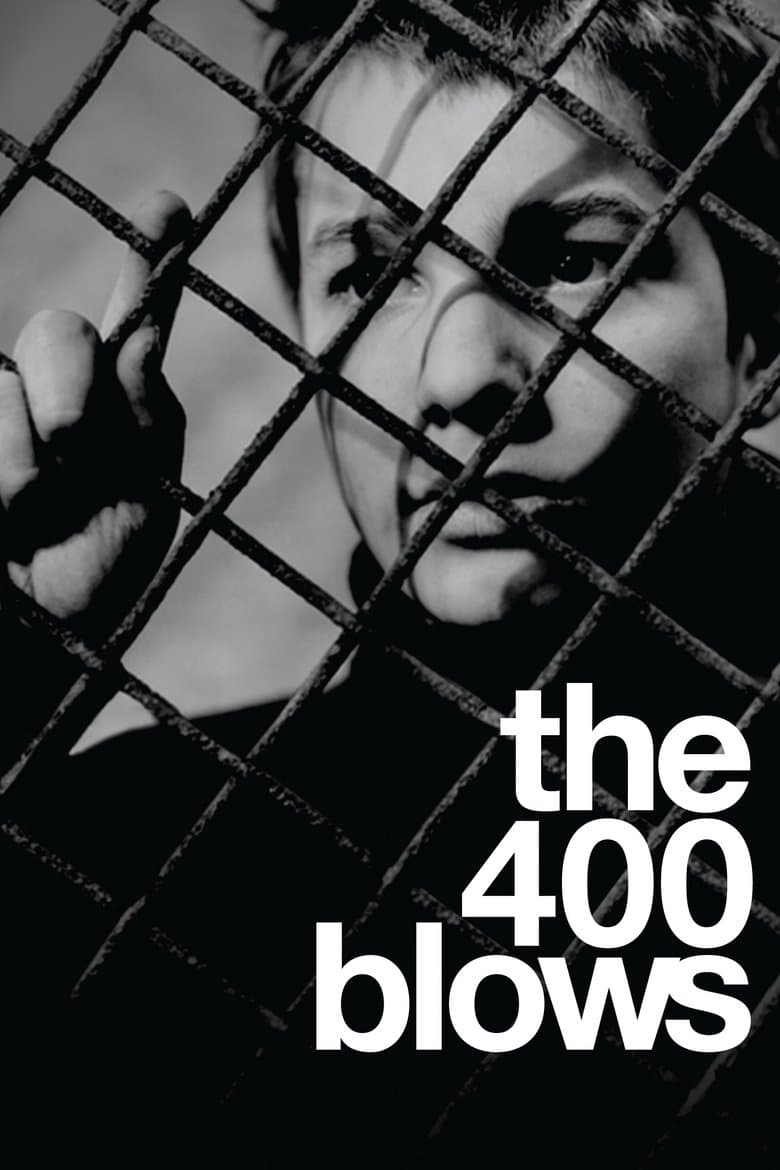
Truffaut's first feature, and the film that opened the French New Wave, is also one of the plainest and most piercing portraits of childhood ever made. It follows a boy treated as a problem by every adult around him — teachers, parents, the state — and simply watches him, without sentiment, without lesson, as the world slowly decides he is delinquent and he slowly agrees. The famous final shot, a freeze-frame on his face at the edge of the ocean, holds a whole life's uncertainty in it. It is tender and unsparing at once, and it changed what films were allowed to be.
Free for now
Sign in to keep reading.
Karamazovian is open for free while we test. Create an account and everything opens — the full writing, search, lists, and your own tree.
Create a free account →Already have an account? Sign in →